
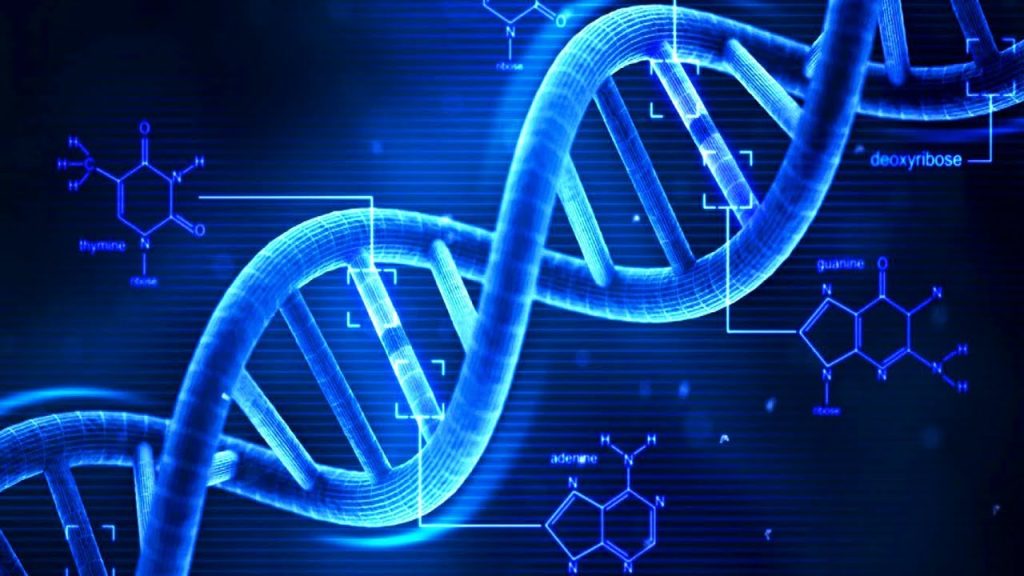
There are unique characteristics present in all living things that are absent from nonliving things. For example, cells are basic building blocks found in all living things and every cell contains DNA (deoxyribonucleic acid). DNA is a long, ladderlike molecule that carries genetic code within its chemical structure. And genes are sections of DNA that carry specific genetic code, which in turn instruct a cell to make a particular protein, and also when to make it. Therefore, all life runs code.
When an app for a smartphone runs code or when a program for a computer runs code, we assume the app or program is designed for a specific purpose or end goal. In philosophy, the study of the purposes or ends of things is known as teleology. So, if life runs code, then is life designed for a specific purpose or end goal? Does life itself have a teleological goal?
Plato’s Timaeus gives an account of how the cosmos and living things came into existence by offering a teleological analysis of them. That is to say, Plato offers an explanation of their purposeful design. This might remind you of the four traditional arguments used to “prove” the existence of God. The teleological argument is also known as the argument from design. The argument is as follows:
- All complex design implies a designer.
- The universe has complex design.
- Therefore, the universe must have a designer, which we call “God.”
Intelligent Design is best defined in contrast to any unintelligent and unconscious and undirected process put forth to explain complex design in the universe. Admittedly, Intelligent Design sounds redundant since we assume all levels of design involve corresponding levels of intelligence. Nevertheless, if the universe has complex design, then is this evidence of an intelligent designer?
~ Boethius ~